Secondary tabs
Submission information
Submission Number: 395
Submission ID: 467
Submission UUID: d755686b-825d-4407-98af-bec77a7e3550
Submission URI: /form/submit-contribution?element_parents=elements/how/image
Created: Mon, 2 Mar 2026 - 23:52
Completed: Mon, 2 Mar 2026 - 23:59
Changed: Wed, 13 May 2026 - 08:55
Remote IP address: 173.69.53.31
Submitted by: Anonymous
Language: English
Is draft: No
Current page: webform_confirmation
Flagged: Yes
| Given name | Avishek |
|---|---|
| Surname | Ganguly |
| aganguly@risd.edu | |
| I understand that by submitting this form, I consent to the use of my data for the purposes of the 2026 Forum on Artistic Research'. | Yes |
| I agree to the terms of service. | Yes |
| Title | Translation and Endangered Languages: A Transdiciplinary Conversation |
| Format | Roundtable contribution |
| Main language | English |
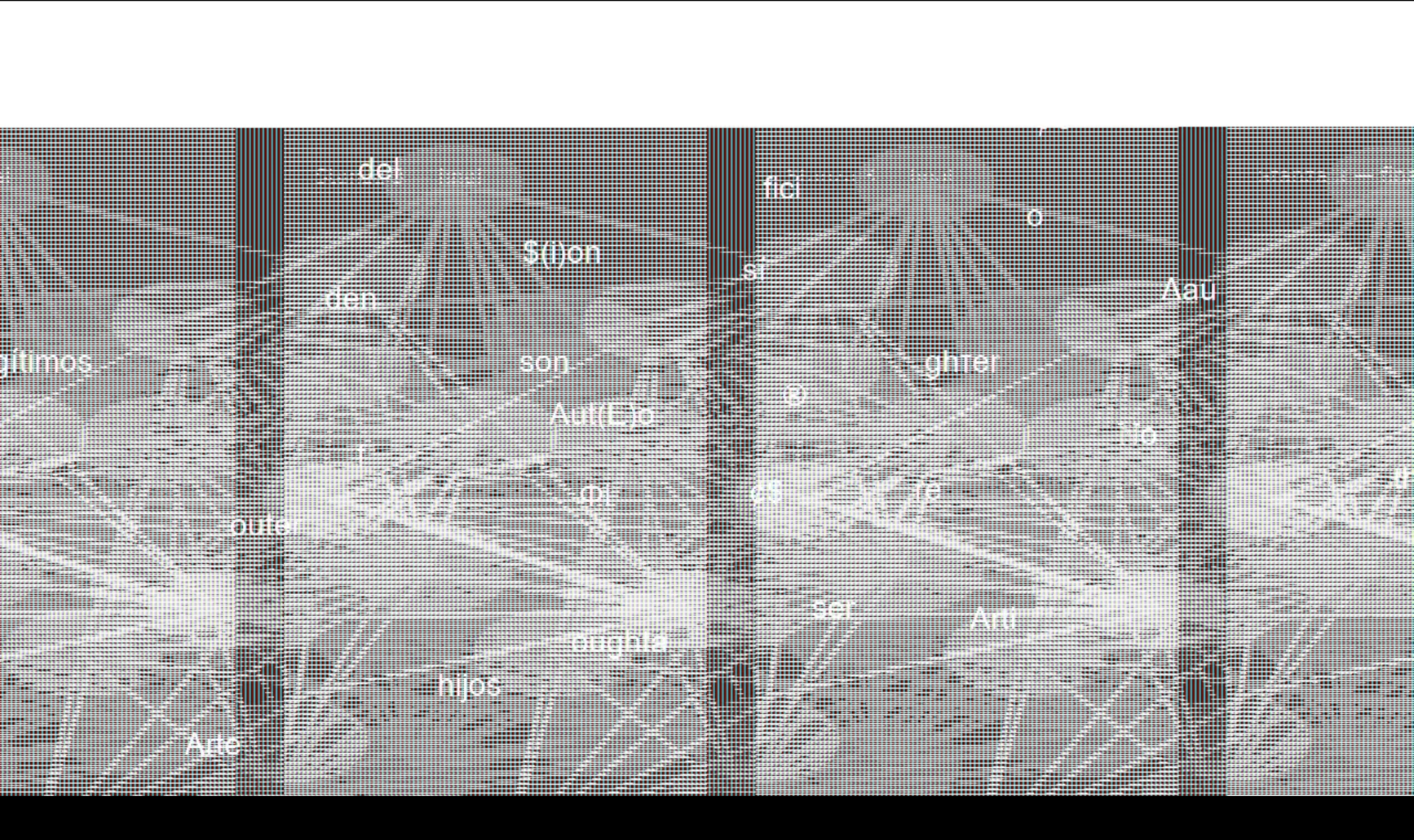
| Abstract | Endangered conceptual worlds, as invoked by this year’s Forum, are often imagined and represented in minoritized languages. Our round table approaches these issues through a discussion of translation and hopes to explore its significance for artistic research. However, we propose a rethinking of translation beyond its conventional understanding as a mode of interlingual transfer; instead, we argue for an expansive notion of translation as method and medium for creative as well as research practice. Translation, even in this formulation, always remains an imperative even if it is never enough; however, it is no longer merely literary but also performative, transpiring in sound and voice, gesture and movement, script and code; in sum, we propose a new understanding of translation as a practice that takes place across media and platforms. Here, then, are some of the questions we seek to address in our round-table: what happens to languages through or after translation? If a “small language” only survives through translation, how does this affect the language even for native speakers? How does computation reshape the relationship between translation and creativity? How do we move towards an understanding of translation as a generative infrastructural process rather than as a secondary act of representation? What indeed does an intermedial practice of translation look like? |
| Image |
|
| Short biographies of the presenter(s) |
|
| Previous presentations or iterations of the research | |
| Additional information | |
| Spatial and technical requirements | N/A |
| Potential risks or ethical concerns | None. |
| Create a user account for SAR 2026 | Yes |
| Create new user |