Secondary tabs
Submission information
Submission Number: 392
Submission ID: 464
Submission UUID: e37632e8-3189-4f93-b858-bc8a54b346df
Submission URI: /form/submit-contribution
Created: Mon, 2 Mar 2026 - 19:59
Completed: Mon, 2 Mar 2026 - 22:06
Changed: Wed, 13 May 2026 - 08:12
Remote IP address: 217.140.205.101
Submitted by: Anonymous
Language: English
Is draft: No
Current page: webform_confirmation
| Given name | Alyssa |
|---|---|
| Surname | Coffin |
| alyssa.coffin11@gmail.com | |
| I understand that by submitting this form, I consent to the use of my data for the purposes of the 2026 Forum on Artistic Research'. | Yes |
| I agree to the terms of service. | Yes |
| Title | Parallel Movements: sensory embodied inscription practices |
| Format | Experimental format |
| Main language | English |
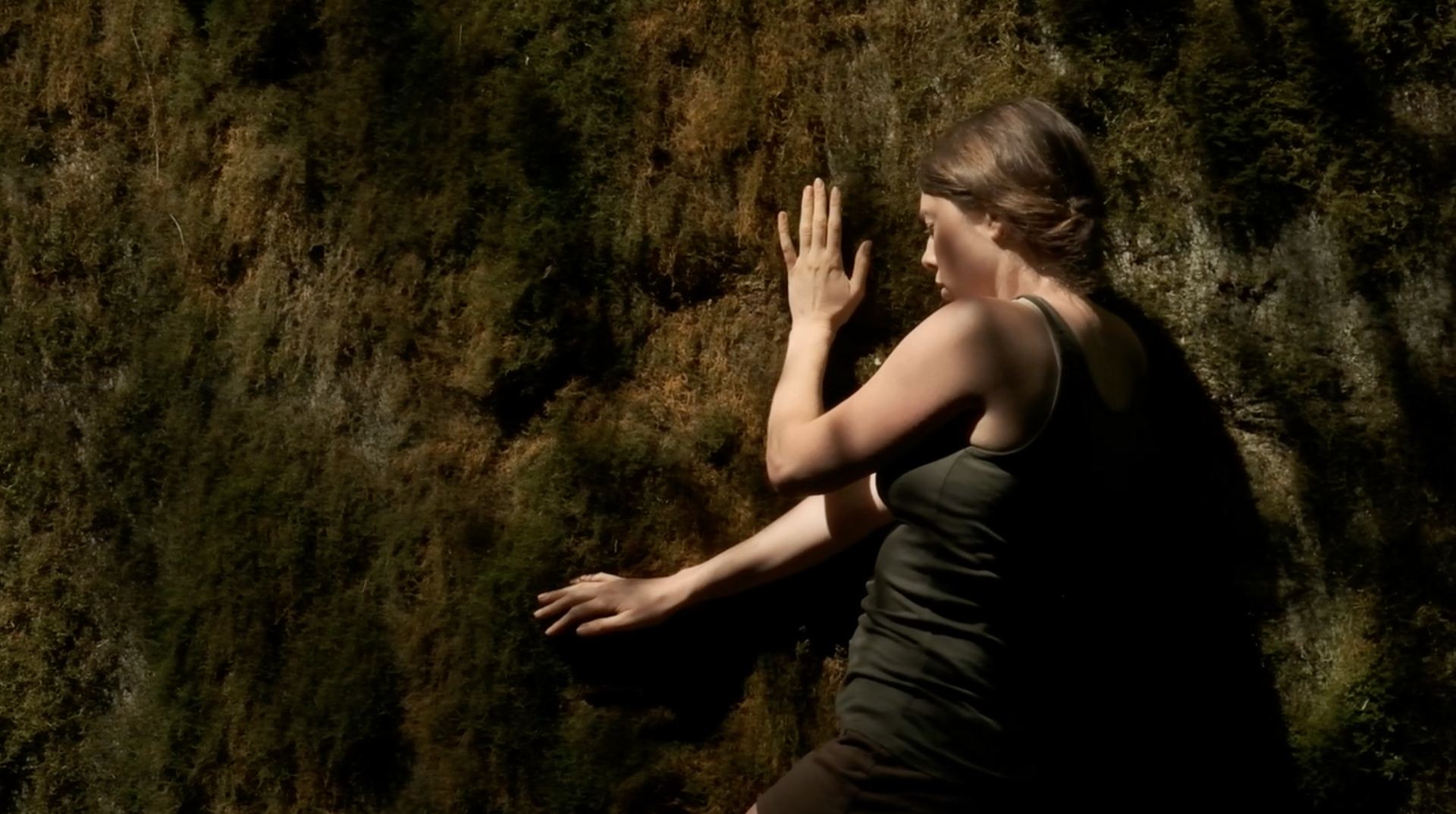
| Abstract | This experimental sharing invites collective practice in the land. It opens along a continuum where there are no knowledge holders, where knowledge lives between all bodies, and human bodies are just one point in the passing between un-knowings. The practices explore three epistemological resistances as parallel movements: the sensory embodied inscription of dialogically relating to the earth as a parallel movement to the encoding of knowledge into Artificial Intelligences; inscribing “images” in the living archive of the mindbodyspirit as opposed to digital files; and “languaging back” as a form of re-inscribing the native language of the land back into the elements from which language emerged. “Inscription” occurs through an intimate process of sensory embodiment– our flesh in contact with the flesh of the earth. It requires no devices, only attention and bodily presence. “Inscription” is an ever-evolving method for cultivating a loving knowing of living land. The practice approaches inner artefacts as light and energy transmuted into a well of memory, forming a rich inner archive. It invites participants to encounter their environment through playing with different qualities of sensory perception. In inner darkness, the light of our surroundings is burned in us. “Languaging-back” is a re-textured and land-tethered way of learning (Finnish) language. As knowledge is increasingly extracted/abstracted away from its source, this practice approaches earth as sacred text that we “read” and speak back. Learners encounter place through its natural elements as a kind of primary language– the texture of a rock, the voice of a bird etc. In this way, they become archivists with a responsibility to keep alive the embodied experience of the primary language. Learners experience how the native language of the region is sonically textured– how it tastes in their mouth and resonates in their lungs, revealing how native language is emergent from and still alive in the land. |
| Image |
|
| Short biographies of the presenter(s) |
|
| Previous presentations or iterations of the research | 2025: A theology of artistic practice, lecture and workshop for ITIA at St. Andrews University in Scotland; Learning Finnish as Artistic Practice: Narrative Walking, courses at Uniarts, Helsinki, Finland; Sensory Embodied Capture workshop for Quaker gathering, Brittebo Lägergård, Sweden; 2024: workshop at Monserrat College of Art, Beverly, MA, USA; Sensory Ideation and Embodied Capture workshop and artist talk, Furman University; Body as Receptor, practice sharing workshops, Helsinki, Finland. |
| Additional information | This is a practice sharing that will take place somewhere secluded outdoors in the land (in any weather that permits). It can work with a group up to about 30 participants. |
| Spatial and technical requirements | none |
| Potential risks or ethical concerns | This practice can be physically demanding (depends on how they wish to engage) and it is generally not suitable for those with physical mobility impairments, but all embodiments are welcome. |
| Create a user account for SAR 2026 | Yes |
| Create new user | Alyssa Coffin |