Secondary tabs
Submission information
Submission Number: 267
Submission ID: 329
Submission UUID: 0474c034-4b03-429a-b61f-1890d0780d4b
Submission URI: /form/submit-contribution
Created: Sat, 28 Feb 2026 - 21:12
Completed: Sat, 28 Feb 2026 - 21:19
Changed: Wed, 13 May 2026 - 08:12
Remote IP address: 217.103.240.198
Submitted by: Anonymous
Language: English
Is draft: No
Current page: webform_confirmation
| Given name | Mari |
|---|---|
| Surname | Bastashevski |
| bastashevski.mari@gmail.com | |
| I understand that by submitting this form, I consent to the use of my data for the purposes of the 2026 Forum on Artistic Research'. | Yes |
| I agree to the terms of service. | Yes |
| Title | Purple Perfect |
| Format | Project presentation |
| Main language | English |
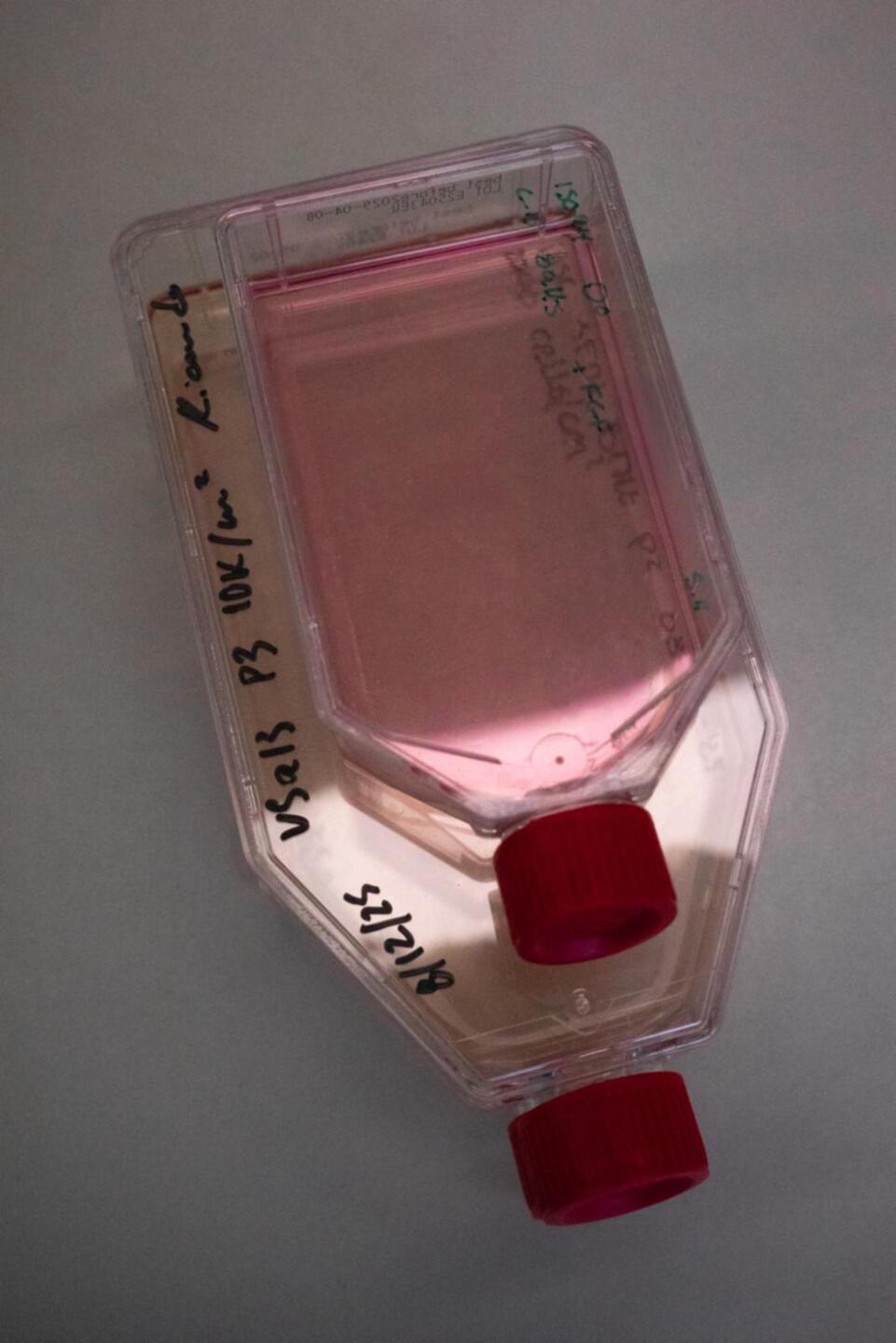
| Abstract | Please note this is a new project and a research expose has not yet been created. I'd like to test it out and find potential collaborations and distributors. For centuries, Tyrian purple was a metaphor that connected knowledge across worlds: those of labor with those of kings, worlds of past wars with those of future extinctions. Ancient Tyrian purple was historically extracted from the gland of murex snails. Tens of thousands of marine snails were needed for a single gram of pigment. This painstaking process contributed to the mythologizing of color and its association with power. In 2021, a group of Chinese scientists used cellular biology to re-engineer this color through E. coli. While their model demonstrated scientific feasibility, the invention appears to have had no meaning beyond feasibility. The more-than-human agency of the snail at the heart of this invention is largely forgotten. Purple Perfect uses an artistic mode of inquiry to launch a labor-intensive, collaborative production of a single drop of color as a starting point to study how scientific discovery is always a form of cultural proposition. In doing so, it offers a fundamentally new approach for cross-disciplinary negotiation of more-than-human futures. The central research objectives are: a. To study how ancient color production methods compare to the cellular method. b. To analyze how cellular reproduction of the ancient color of Tyrian purple from a snail cell contributes to debates over the future of ecology today. In developing this case study, the project will investigate three primary questions: What kind of problems emerge when a scientific framework is shaped by artistic inquiry? How is it defended as simultaneously artistic and scientific research through the development of a single model? How does producing a single drop of color from one cultivated snail, rather than thousands extracted, shift the value and potential of ecological resources, however scarce? |
| Link to the Exposition | https://www.maribastashevski.com/pending-xenophora |
| Image |
|
| Short biographies of the presenter(s) |
|
| Previous presentations or iterations of the research | This is a new project. |
| Additional information | |
| Spatial and technical requirements | Nothing yet |
| Potential risks or ethical concerns | Two existing frameworks would be applied during the implementation of this project. First, the strict ethical protocols for working with living subjects developed by Wageningen University Cellular Agriculture Labs. Second, the ethical approach I developed during my doctoral research. |
| Create a user account for SAR 2026 | No |