Secondary tabs
Submission information
Submission Number: 254
Submission ID: 314
Submission UUID: 7cada2ac-251b-4c5d-aca3-d3f7f515ecb1
Submission URI: /form/submit-contribution
Created: Sat, 28 Feb 2026 - 17:50
Completed: Sat, 28 Feb 2026 - 18:21
Changed: Wed, 13 May 2026 - 08:14
Remote IP address: 31.187.78.43
Submitted by: Anonymous
Language: English
Is draft: No
Current page: webform_confirmation
| Given name | Maya |
|---|---|
| Surname | Sarfaty |
| Maya@edu.ulisboa.pt | |
| I understand that by submitting this form, I consent to the use of my data for the purposes of the 2026 Forum on Artistic Research'. | Yes |
| I agree to the terms of service. | Yes |
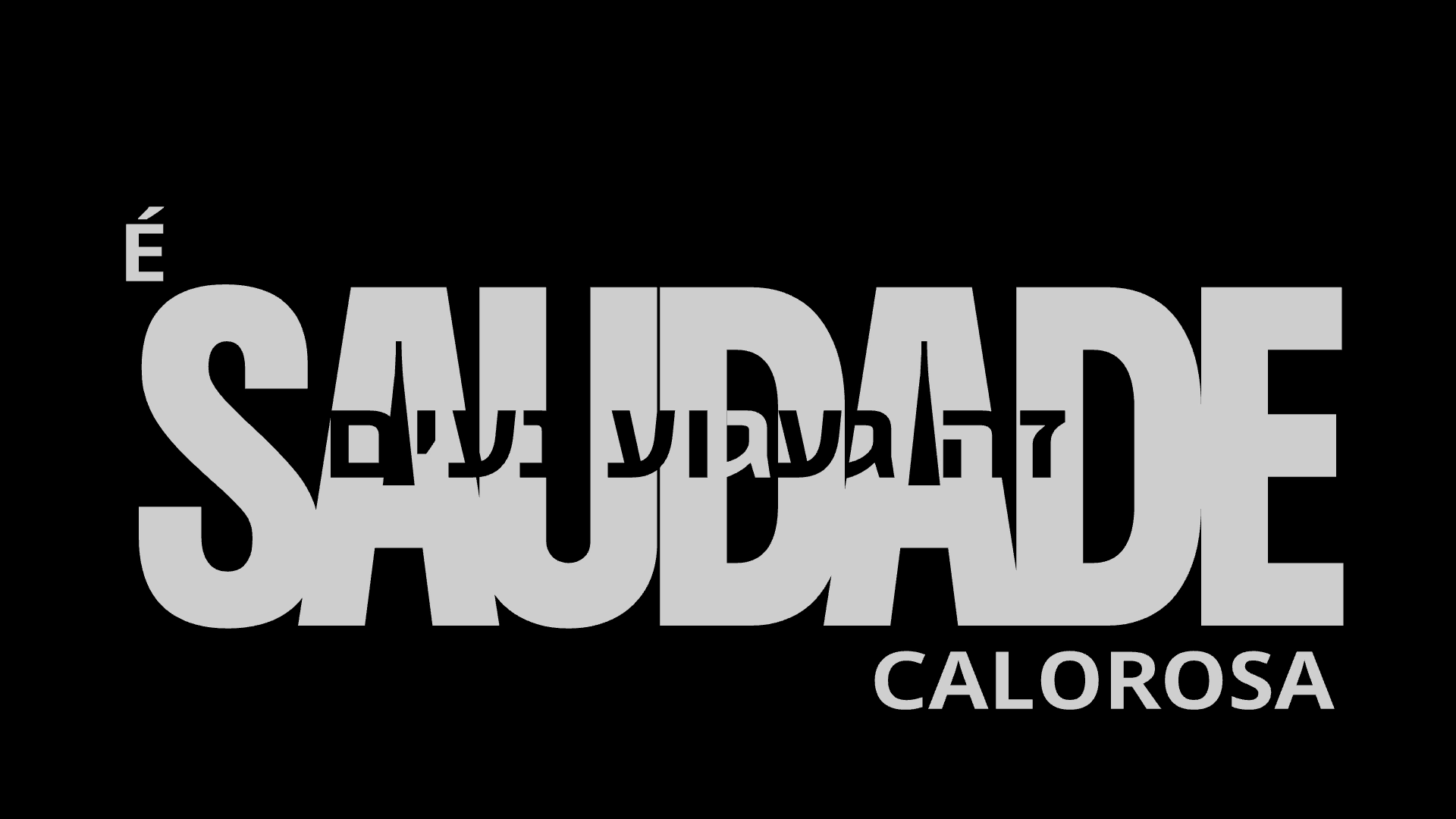
| Title | Translation as Ethical Material Practice: Hosting Friction Through Typographic Action |
| Format | Project presentation |
| Main language | English |
| Abstract | This project proposes typography as a translational act capable of hosting linguistic friction rather than resolving it, particularly where translation claims transparency and erases linguistic difference. Developed within an ongoing artistic research process, it examines translation as an ethical and material practice shaped by relations between languages and by power within translation. Rather than aiming for equivalence, the research focuses on how gaps, misalignments, and delays can be recognized and sustained. Working between Hebrew and Portuguese, it asks how linguistic hospitality might be practiced under conditions of asymmetry, where one language hosts another. The presentation is based on a video essay that functions as an open translation laboratory. It opens the studio process through a sequence of situated experiments. Each section begins with a specific friction: a structural form that cannot be reproduced, a shift in emotional weight between similar words, differences in directionality, or moments where translation appears seamless while quietly erasing difference. Identifying what is lost, what shifts, and what persists becomes a methodological act. In practice, a machine assisted translation establishes a semantic layer, followed by close reading that examines syntactic and cultural tension. A typographic response is then developed within a digital environment. Not every friction leads to visible intervention. At times, the decision not to act becomes part of the ethical stance. The project does not present a finished system, but clarifies principles emerging through practice. Here, typography does not illustrate translation but continues it. Compression, spacing, delay, asymmetry, and desynchronization operate as translational gestures. Translation is treated as relational and asymmetrical, approached as an ecology of linguistic systems, and typographic materiality. Translation is materially negotiated rather than resolved. |
| Link to the Exposition | https://www.researchcatalogue.net/view/4211393/4211394 |
| Image |
|
| Short biographies of the presenter(s) |
|
| Previous presentations or iterations of the research | |
| Additional information | |
| Spatial and technical requirements | Standard projector with HDMI connection, audio output, and internet access if possible. The presentation includes a video essay (approx. 4 minutes) and slides. |
| Potential risks or ethical concerns | |
| Create a user account for SAR 2026 | Yes |
| Create new user | Maya Sarfaty |