Secondary tabs
Submission information
Submission Number: 237
Submission ID: 296
Submission UUID: 69c7e53a-4363-47c6-ad84-1bd754dcc1cc
Submission URI: /form/submit-contribution
Created: Sat, 28 Feb 2026 - 15:18
Completed: Sat, 28 Feb 2026 - 16:49
Changed: Wed, 13 May 2026 - 09:01
Remote IP address: 109.138.51.194
Submitted by: Anonymous
Language: English
Is draft: No
Current page: webform_confirmation
Flagged: Yes
Personal Information
Your contribution
Automata: Creation, Interpretation, and Human Freedom in the Age of Intelligent Machines
English
"Automata" is a research-creation project that examines how the delegation of interpretation and creative agency to intelligent machines transforms the conditions of human freedom and judgment. Rather than asking whether machines “think,” the project investigates a structural shift: the relocation of interpretative authority from visible human construction to opaque algorithmic inference.
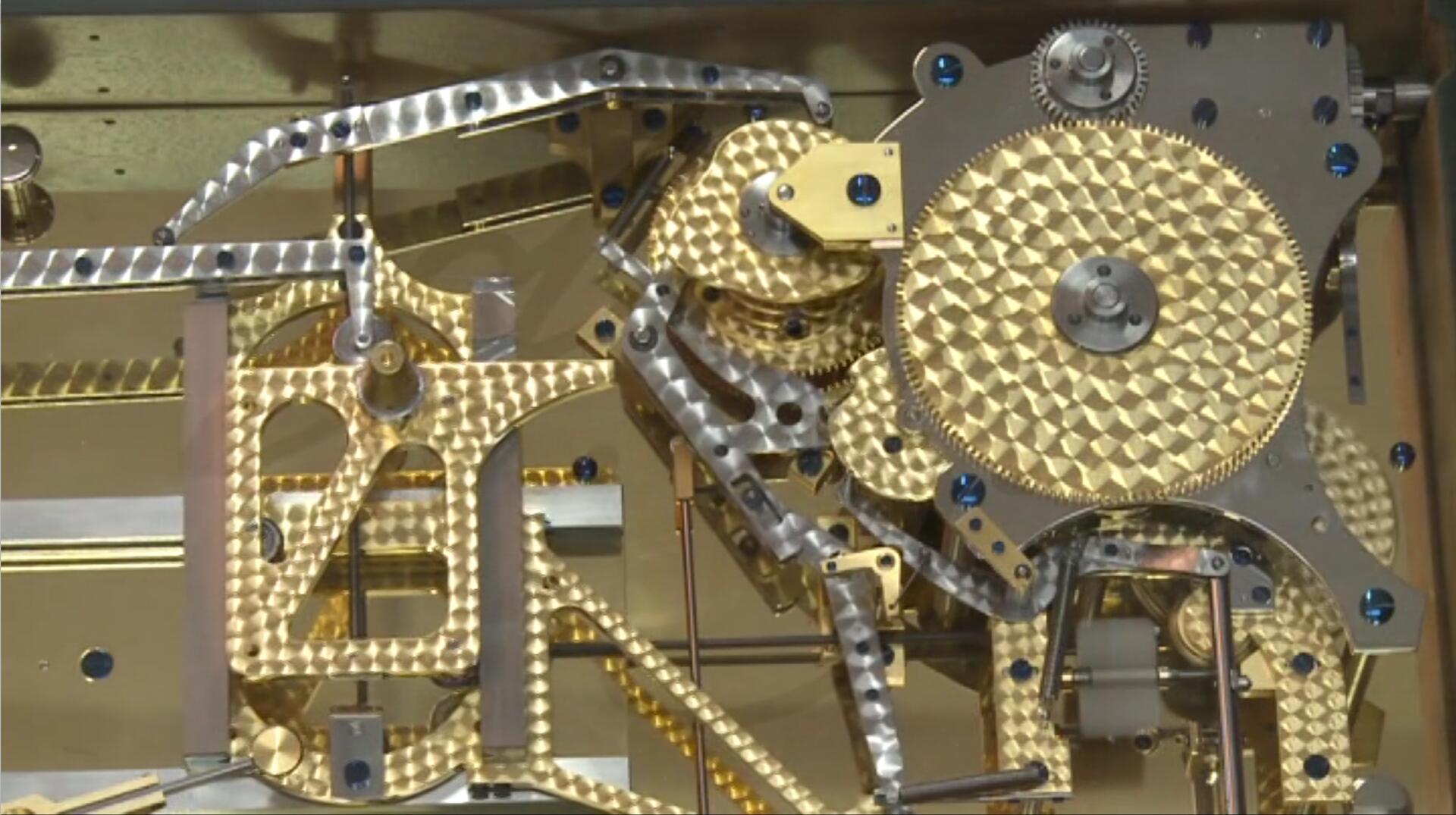
Through a reflexive documentary centered on Swiss automata-maker François Junod, internationally recognized for his mechanical automata, the film contrasts two regimes of intelligibility. On one side, a historically sedimented conceptual world grounded in visible causality, repairability, and embodied expertise; on the other, contemporary generative AI systems operating through large-scale statistical architectures whose internal processes remain inaccessible to users.
By integrating a generative language model directly into the filmmaking process—inviting it to produce its own portrait of the protagonist, to propose alternative framings, and at times to narrate from a machinic perspective—the project stages an experimental confrontation between human and algorithmic interpretation within the cinematic apparatus itself.
Engaging the SAR 2026 theme of endangered conceptual worlds, "Automata" treats embodied mechanical intelligence as an epistemic counter-model to algorithmic flattening, while testing whether materially grounded expertise can remain a viable locus of meaning when confronted by a persuasive, and potentially rival, algorithmic imagination.
Through a reflexive documentary centered on Swiss automata-maker François Junod, internationally recognized for his mechanical automata, the film contrasts two regimes of intelligibility. On one side, a historically sedimented conceptual world grounded in visible causality, repairability, and embodied expertise; on the other, contemporary generative AI systems operating through large-scale statistical architectures whose internal processes remain inaccessible to users.
By integrating a generative language model directly into the filmmaking process—inviting it to produce its own portrait of the protagonist, to propose alternative framings, and at times to narrate from a machinic perspective—the project stages an experimental confrontation between human and algorithmic interpretation within the cinematic apparatus itself.
Engaging the SAR 2026 theme of endangered conceptual worlds, "Automata" treats embodied mechanical intelligence as an epistemic counter-model to algorithmic flattening, while testing whether materially grounded expertise can remain a viable locus of meaning when confronted by a persuasive, and potentially rival, algorithmic imagination.
- Serge Goriely is a filmmaker and scholar in film and media studies. His work explores the cultural, ethical, and narrative implications of artificial intelligence through research-creation methodologies. He has directed several films, including "The Best Option" (2022), and is currently developing "Automata", a feature-length documentary investigating authorship and interpretation in the age of generative AI.
A preliminary version of the project was presented in October 2025 at Musashi University (Tokyo) in a short format. The presentation focused primarily on the portrait of François Junod and the historical dimension of mechanical automata. The current exposition significantly develops the methodological and conceptual framework, particularly the integration of generative AI as interpretative co-agent. A recording of the Tokyo presentation (in Japanese) is available upon request.
Requirements
The presentation is conceived as a 20-minute lecture-performance combining theoretical framing and selected audiovisual excerpts from the film in progress. Short clips (2–3 minutes each) will be used to illustrate the confrontation between mechanical intelligibility and generative AI integration within the editing process. The session is designed to foreground the methodological dimension of the project and to open a discussion on artistic research as epistemic experimentation.
Standard lecture room with video projection (HDMI), sound system, and internet connection (optional, for brief demonstration of AI interaction if relevant). No special spatial installation required.
The project involves no vulnerable participants and is conducted in sustained collaboration with François Junod, with full consent. Methodological uncertainty related to the integration of generative AI is acknowledged as part of the research design. AI outputs are explicitly identified as generated material to avoid misrepresentation.
Yes
{Empty}