Secondary tabs
Submission information
Submission Number: 314
Submission ID: 379
Submission UUID: 7da25fae-711c-4c73-853e-ef868b591412
Submission URI: /form/submit-contribution
Created: Sun, 1 Mar 2026 - 13:43
Completed: Sun, 1 Mar 2026 - 22:12
Changed: Wed, 13 May 2026 - 08:42
Remote IP address: 5.151.197.51
Submitted by: Yin
Language: English
Is draft: No
Current page: webform_confirmation
Flagged: Yes
Personal Information
Your contribution
Cheap Copies and Collective Memory: The Postcolonisation in Archives and Digital Art Practice
English
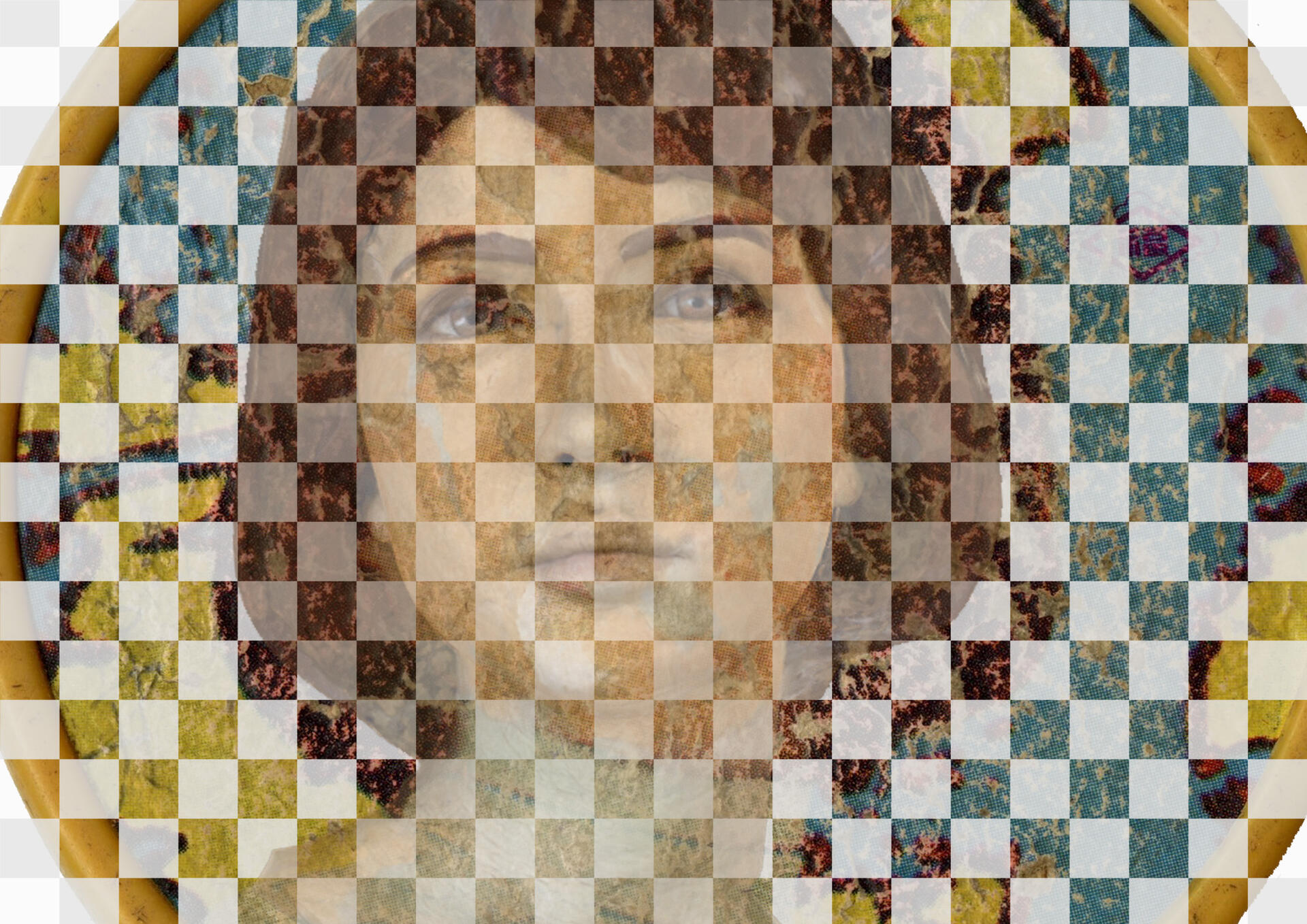
Mass-produced reproductions circulate extensively across both physical and digital cultures, these forms are typically characterised by low production costs and degraded visual quality due to repeated copying. Inexpensive domestic objects have received limited scholarly attention. This research will define the potential inherent in portraits of unknown women, specifically a series of female portraits reproduced as cheap copies, printed illegally, and affixed to the backs of mass-produced plastic mirrors. These are specific vintage products from Taiwan that have not been popular or reproduced in recent years. Their origins trace back to the Japanese Colonial Period during the 20th century, a time when copyright law was not yet established. This study aims to investigate how mass-produced portraits of anonymous women on plastic mirrors shape collective memory in Taiwan, and how the degradation of cheap copies as an artistic method connects household objects with digital media. The project analyses the historical and cultural contexts of these portraits that have been overlooked or rendered invisible and explores their potential for artistic experimentation. This practice-research comprises a series of artworks, including video, paper installation, and pixel degradation. In videos, I wear a pixelated mask to embody the portraits of actresses on the mirrors, symbolising women born during and after Japan's rule. Drawing on interviews with Taiwanese women from different generations, the research examines how these portraits function as sites of fragmented recollection, misrecognition, and collective memory. Through this practice-based research, the paper argues that degradation can generate diverse hybrid images rather than merely signal loss. The project contributes to discussions on how the artist employs embodied performance to engage with anonymous female figures and utilises labor-intensive methods to embody collective memory in physical print.
- Yin-Wen Lin is a Taiwanese artist and researcher whose work explores memory, reproduction, and postcolonial identity through installation, video, and print. She is currently pursuing a PhD at the University of Plymouth, where her practice examines degraded photographic archives from Taiwan. Her work has been exhibited internationally, including Taiwan, UK and France.
Art residency: The aura of the found photograph Its invisible political transaction in digital art practice. Grow Plymouth, 2025
Requirements
PowerPoint slides(PDF), audiovisual
A projector, a microphone, a speaker, HDMI adapter for a MacBook
No
Yes
Yin-Wen Lin