Secondary tabs
Submission information
Submission Number: 154
Submission ID: 205
Submission UUID: d54ddd9a-72f7-4ebd-b079-f2dd521c8dff
Submission URI: /form/submit-contribution
Created: Tue, 24 Feb 2026 - 15:13
Completed: Tue, 24 Feb 2026 - 15:16
Changed: Wed, 13 May 2026 - 08:12
Remote IP address: 84.212.1.156
Submitted by: Ase Ava Fredheim
Language: English
Is draft: No
Current page: webform_confirmation
Personal Information
Your contribution
Indigenous Intelligence in Music-Making
English
In this paper I show how an Indigenous mindset founded in reciprocity can shape and guide music making. I examine the effects of placing luohti (yoik), the traditional Sámi vocal expression, in a leading position. Decades of colonial policies deprived many Sámi of cultural expressions and traditional knowledge; in several areas Sámi languages were skipped for at least one generation. Today a taking it back movement is underway—asserting rights to land, livelihood, culture and language—and many young Sámi are reclaiming skills and knowledge that should have been passed on by our families and communities. Embracing distinct qualities within Sámi music, such as in luohti, reshapes both what we make and how we create. Moreover, engaging with luohti across popular musical genres may enable a trans historical positionality in music making. By engaging with research creation as a method, I explore these processes from within through my own artistic practice. The paper is also based on semi structured interviews with several Sámi artists. I offer perspectives on how methods rooted in Indigenous knowledge may redefine and enrich musical practice. I ask: how does privileging luohti as a guiding voice influence our songwriting, instrumentation, and, indeed, the artist’s role? I show, for example, that centering luohti often shifts arrangements from fixed, grid-based productions to open soundscapes with space for organic elements, polyrhythmic turns and flexibility in terms of tempo and harmonic progressions. It becomes evident that decision making can extend to non human agents (landscape, objects, and technologies) as active collaborators. Upsetting hierarchical norms (where humans dictate musical form) and adopting active relationality with all agents involved opens new creative possibilities. These findings suggest a provocation for decolonizing compositional practice and rethinking authorship and agency in contemporary music.
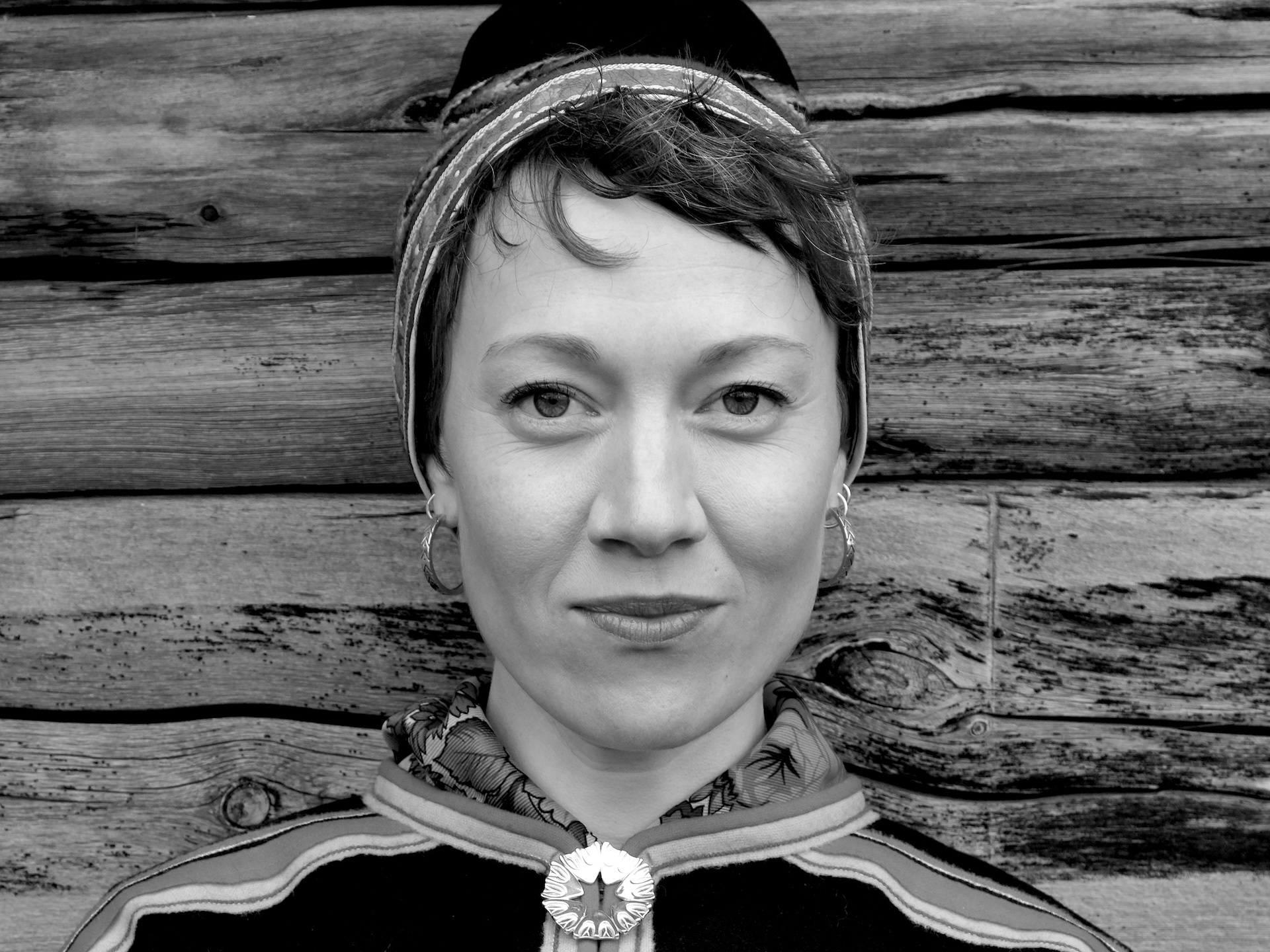
- Åse Áva Fredheim (NO/SÁ) is a vocalist, songwriter, and producer, and has released three albums under the name Ava Freddy. In her master’s thesis “‘Birdsong’ in Popular Music,” she unfolded technical and motivational aspects of field recordings in music. In her current PhD project, at the Department of Popular Music at the University of Agder, Fredheim explores the intersection of musicology and Indigenous knowledge through a combination of artistic and theoretical approaches. She focuses on the Sámi vocal traditions and understandings of what it means to listen.
Presentation: “Stories of Reclaiming Yoik” at the Folk music researchers’ symposium at the Sibelius academy, Helsinki (February 2026)
Presentation: “Decolonizing Vocal Expressions in Sápmi” at the AR@26 conference, Kristiania University College, Oslo (April 2026)
Chapter: Guldalit: Transactional Resonance and Indigenous Perspectives on Listening. In Ø. Varkøy, K. Stensæht, & S. Røyseng (Eds.), Music and Resonance. Cappelen Damm Forskning. (Desk-review approved, awaiting peer review.)
Presentation: “Decolonizing Vocal Expressions in Sápmi” at the AR@26 conference, Kristiania University College, Oslo (April 2026)
Chapter: Guldalit: Transactional Resonance and Indigenous Perspectives on Listening. In Ø. Varkøy, K. Stensæht, & S. Røyseng (Eds.), Music and Resonance. Cappelen Damm Forskning. (Desk-review approved, awaiting peer review.)
Requirements
The presentation is prepared in Keynote. In addition to a projector, I need the possibility to play sound.
{Empty}
Ethical concerns worth mentioning, is that yoik is the source of some loaded discourses within Sámi communities. Opinions regarding how the rematriation of yoik should move forward are differing. I attend to these issues by highlighting how my presentation is based on my own positionality, and that I cannot represent Sápmi at large.
Yes
Ase Ava Fredheim